
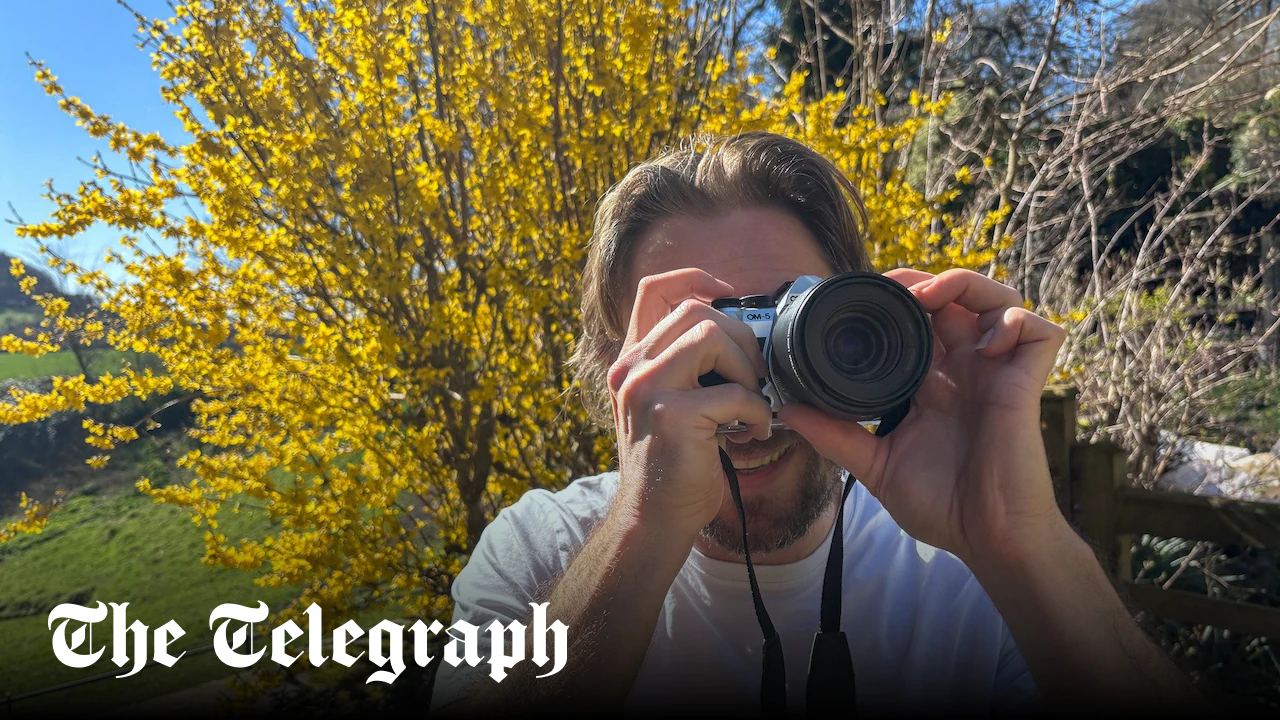
As a photographer, I’m always on the hunt for the best travel camera. I need one that is small enough to carry everywhere, robust enough to handle everything from backpacking to family holidays and capable of delivering images that go far beyond what my phone can manage.
The good news is there’s lots of choice. Many manufacturers have premium compacts that now rival larger cameras for image quality, while lightweight mirrorless systems and new technology mean more professional results without the need for a camera bag.
At the same time, the ubiquity of specialist options like devices with rugged bodies, content-creator hybrid models and ultra-high-resolution full-frame cameras means there’s now a travel camera for every type of trip, from city breaks to long-haul expeditions.
What matters most is choosing a camera that fits how you travel. A pocketable compact might be perfect for wandering Lisbon’s backstreets, while a weather-sealed system camera makes far more sense on a windswept Hebridean coastline (and I tested several of these options in just such a place).
The best travel cameras: At a glance
How to choose the best travel camera
Realistically when travelling, size and weight should be your starting point. If a camera is too bulky, you simply won’t want to use it. Compact cameras such as the Sony RX100 VII are popular for exactly this reason as they slip into a pocket but still deliver very strong image quality.
Larger sensors (APS-C or full-frame) capture more light, delivering better low-light performance, dynamic range and detail. Cameras like the Fujifilm X100VI use larger sensors to rival interchangeable-lens systems in a much smaller body. Micro four-thirds systems are smaller, often easier to use and lighter, but night time performance can be limited.
Lens flexibility is also worth considering. Fixed-lens cameras are simple and compact, but limiting. Interchangeable-lens systems offer versatility, especially for wildlife, landscapes or portrait work, though they weigh more.
Weather sealing, image stabilisation and battery life all matter when you’re travelling too. Mirrorless cameras are now generally preferred for travel thanks to their lighter weight and advanced features, though more rugged models still dominate in very extreme environments.
Finally, think about durability. Travel cameras have a lot of use in harsh conditions – so choose a camera that feels built to last.